
Topic 3: Structure of opportunity
Looking for opportunity
In addition to a foundational understanding of the labor market, a critical component of maneuvering is the ability to look inside and out: to look for opportunities in the labor market and to start to map out how we can access those opportunities. the opportunity structure of Asian area refers to the choice that people have for work in an area. the structure of opportunity is determined on the one hand by the industries, resources and services in the region and on the other end our interest, skills and knowledge.
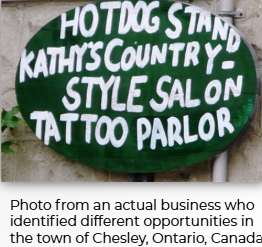
Looking outward
Looking the labor market, we know that:
- cities typically have larger opportunity structures for waged, salaried, full-time, full year work than rural areas.
- Rural and remote area are often tied to one natural resource, such as agriculture, fishing, mining, forestry, oil or energy.
- Rural and remote area tend to have a greater opportunity structure for work that is traditional, part-time, seasonal, contract, non-wage based and informal.
Opportunities looking outward
Think about the opportunities in the area where you live. Hover over the doors to learn more about the way the opportunity may present itself in your community.
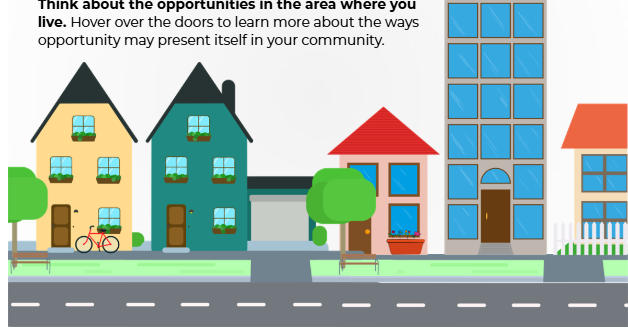
Door 1: Is your opportunity structure wide or narrow? Is there a wide variety of Occupational choices, or do you live in a single industry town?
Door 2: Would you describe your opportunity structure as more formal or informal? Are most opportunities in the form are paid positions in organizations, are do opportunities for bartering or exchanging goods/ Services exist?
Door 3: Is your opportunity structure open or closed? Does it welcome new Industries, ideas and Innovations, or does it strive to maintain its status quo?
Door 4 : Would you say that your opportunity structure lends itself to visioning or despairing?
Looking inward
People are connected to their environment. they acquire knowledge, skills, value and perspectives from what they hear, see and experience. these personal experiences and perceptions shape career aspirations and expectations. growing up in an age where jobs are plentiful with produced different career attitudes and behaviors then those that would evolve from growing up in a recessionary period. Internally, our structures of opportunity can be limited are expanded depending on our experiences.
Different perspectives
For example, a young person in a single industry town will have a different view of employment prospects than someone who, because they live in a city, has been exposed to a wide range of businesses and occupational opportunities. Living in a community or neighborhood where people regularly exchanged labor or products on the barter system will foster different attitudes the word informal work then living in a place where all transactions are paid in cash.
Adapting or changing.
Think about how you and your client/students can adapt to end/ or change your own opportunity structure.
Example could include the following:
- get training or education that can be applied to work in your own community;
- acquire experience through paid and volunteer work to develop skills that can be applied to work in your area;
- create your own occupation by determining a service or product that people want and deliver it in your community;
- move from an area where opportunity is limited to one which offers more opportunities;
- improves in their skills in occupation close to home in preparation to move to an area where you can specialize;
- find work in an industry close to home that is not your first choice, and where you are skill and knowledgeable and the occupation, transfer your skills to a job in your industry of choice father from home.
No single path
Career paths vary from one person to another and also from one location to another. People would tend to be risk-takers are more likely to sacrifice stability for other personal rewards and to change occupation more frequently than others. The growth of part time and temporary jobs at the expenses of full-time positions as forced others to take on multiple jobs. Some people supplement their employment income with own based businesses or informal work. Others work at different jobs during different seasons. People adapt to their opportunities structure in various ways. There is no single career path that is suited to every individual or every opportunity structure.
Opportunity dynamics
The opportunity structure of an area is not permanent. It is important to recognize the dynamic nature of the opportunity.
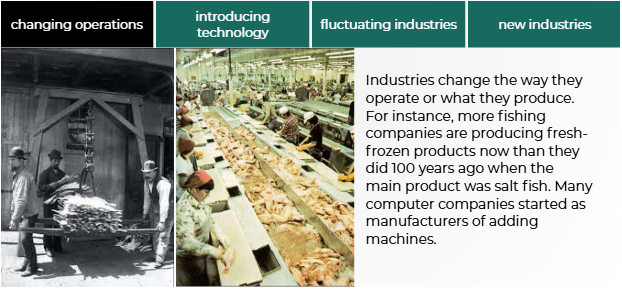
Industries changed the way they operate or what they produce. For instance, more fishing companies are producing fresh frozen products now then they did 100 years ago when the main product was salt fish. Many computer companies started as manufacturers of adding machines.
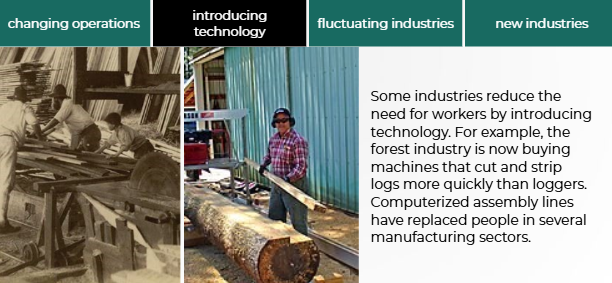
Some Industries reduced the needs for workers by introducing technology. For example, the forest industry is now buying machines that cut and strip logs more quickly than loggers. Computerized assembly lines have replaced people in several manufacturing sectors.
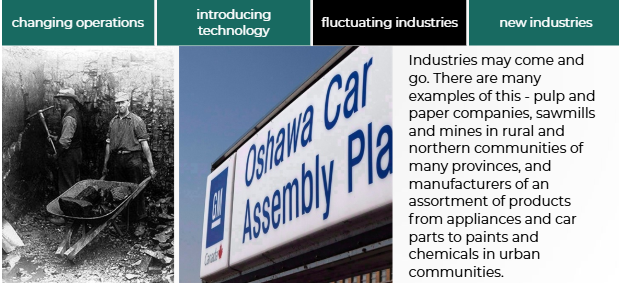
In Industries may come and go. They are many examples of this – – Vault and paper companies, sawmills and mines in Rural and northern communities of many provinces, and manufacturers of an assortment of product from appliances and car parts to paint and chemicals in urban communities.
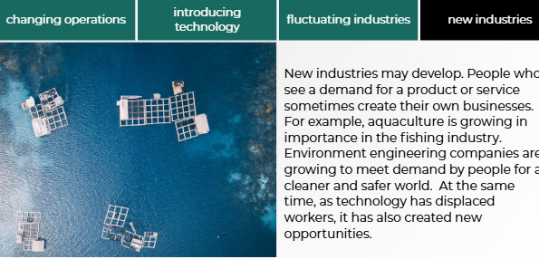
The new Industries May develop. People who see a demand for a product or service sometimes create their own businesses. For example, Aqua culture is growing in importance in the fishing industry. Environment engineering companies are growing to meet demand by people for cleaner and safer world. At the same time, as technology as displaced workers, it has also created new opportunities.
Uncertainty and change
We live in a world of uncertainty and constant change. Preparing for employment in tomorrow’s World is difficult because we don’t know what changes to expect, and we don’t know how much these changes will influence our lives. Many changes are beyond our control. Occupations that will become Central to society in the future may not yet exist. Occupations on which we depend today may disappear tomorrow.
Preparing for change
Here often clients and students can be influenced by the message they get about work and career in their local areas. Nobody can precisely predict the future. Consequently, there is no guarantee that a chosen path, no matter how well thought out, will ensure personal success. But thinking about change and its implications, however, it is possible to either make educated guesses or influence the opportunity structure in our community ourselves.
Maneuvering opportunities
We must acknowledge and gently challenged these perceptions to expose them to many options. Even in the smallest community, we can create an opportunity for ourselves. Maneuvering is about recognizing opportunities and influence on our own careers and thinking strategically about how we can chart a course towards these opportunities or how we can create opportunities for ourselves.
